
Silk Bedding vs Cotton: Which Is Better for Your Sleep Environment?
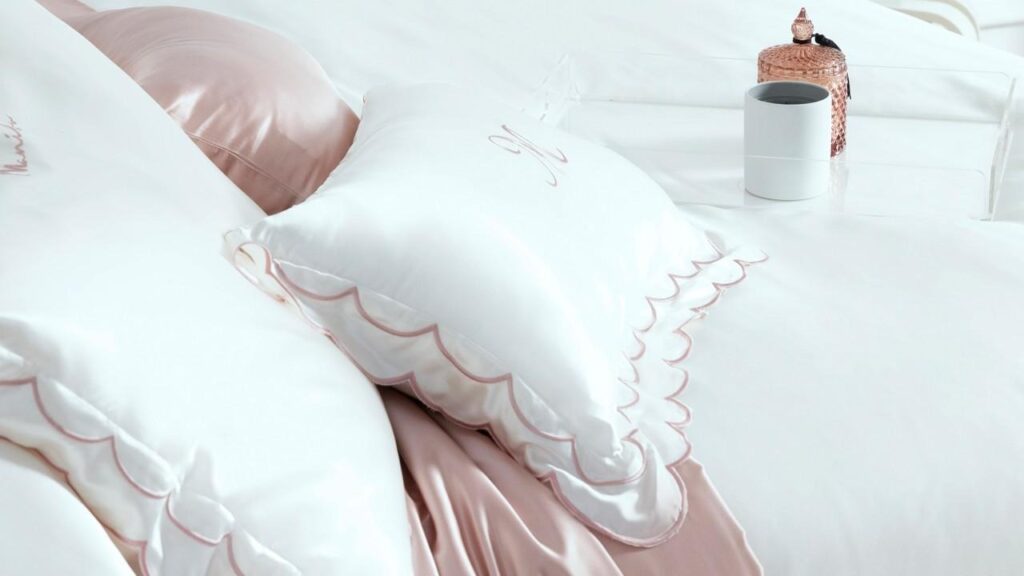
When outfitting a bedroom, most of us buy cotton sheets on autopilot. We check the thread count, pick a color that matches the walls, and head to the checkout. For decades, cotton has been the undisputed default for home textiles. It is familiar, widely available, and generally affordable. However, treating your sheets as mere room decor ignores their primary function.
Your bed is a piece of physical recovery equipment. The materials you sleep on dictate your body temperature, skin hydration, and how frequently you wake up during the night. If you constantly deal with night sweats, restless tossing, or morning skin irritation, your default cotton sheets might be the source of the problem. To build a sleep environment that actually supports physical rest, you need to look closely at how different natural fibers manage heat, moisture, and friction.
The Thread Count Myth
Before comparing different materials, we have to address how sheets are marketed. With cotton, consumers are trained to look for high thread counts, assuming that a 1000-thread-count sheet is inherently superior to a 300-thread-count sheet. In reality, jamming that many threads into a single square inch of fabric creates a dense, heavy material that severely restricts airflow. High-thread-count cotton might feel smooth in the store, but it acts like a thick insulator once you get under the covers.
When your core body temperature naturally drops to initiate deep sleep, that heavy cotton traps the heat against your skin. Your body responds by sweating to cool down.
Why Cotton Traps Sweat and Disrupts Sleep
This is where the physical properties of cotton become a liability. Cotton is highly hydrophilic, meaning it loves water. It acts exactly like a sponge. When you sweat in the middle of the night, cotton absorbs that moisture. But instead of releasing it into the air, it holds onto the water.
You end up sleeping on a damp surface. As the ambient temperature of the room fluctuates, that wet fabric makes you feel cold and clammy, forcing you to pull heavy blankets back over yourself. This constant cycle of overheating, sweating, and shivering fragments your sleep.
Natural protein fibers operate on a completely different set of physical rules. Upgrading to high-quality silk bedding changes the microclimate of your bed. Instead of absorbing and trapping moisture, these fibers wick sweat away from the skin and quickly release it into the ambient air. The fabric dries rapidly, ensuring that your core temperature remains completely stable. You stay cool when the room is warm, but the material provides a very thin, breathable layer of insulation when the room cools down.
How Fabric Friction Affects Your Skin and Hair
Temperature is only one part of the equation. You also have to consider the physical friction that occurs when you roll over in bed.
Under a microscope, a cotton fiber looks slightly rough and twisted. When woven into a sheet or a pillowcase, this creates a surface with a high coefficient of friction. When you drag your face or hair across cotton, the fabric grips the skin. This mechanical dragging is what causes morning sleep creases on your face and tangles in your hair. Furthermore, because cotton is highly absorbent, it pulls natural oils and expensive nighttime moisturizers directly off your face, leaving your skin dehydrated.
A natural protein weave provides a nearly frictionless surface. Your skin and hair simply glide over the fabric when you change positions. This lack of resistance eliminates the pulling that contributes to premature wrinkles and hair breakage.
To maximize this frictionless environment and keep your body temperature fully regulated, you have to look beyond just the sheets. Pairing a highly breathable bed setup with a lightweight silk pajama ensures that your entire immediate microclimate works together. You eliminate the bulky, twisting fabric of heavy cotton sleepwear, allowing you to move freely without getting tangled in your own clothes.
Direct Comparison: How They Perform
To simplify the decision-making process, here is a direct breakdown of how these two natural materials perform in a real-world sleep environment.
| Feature | Standard Cotton | Natural Protein Fiber (Silk) |
| Moisture Handling | Absorbs sweat, stays damp for hours. | Wicks sweat, dries extremely rapidly. |
| Airflow | Moderate (Drops significantly at high thread counts). | Very High (Naturally temperature regulating). |
| Surface Friction | High (Grips skin and hair, absorbs facial products). | Very Low (Glides smoothly, leaves skincare intact). |
| Durability | High (Can withstand aggressive heat and heavy detergents). | Moderate (Requires gentle, cold-water washing). |
| Cost | Budget-friendly to moderate. | Premium investment. |
How to Upgrade Your Bedding Step by Step
If you decide to upgrade your sleep environment, you do not have to replace every textile in your bedroom at once. You can transition strategically to get the maximum benefit for your budget.
- Start with the pillowcase: This is the most practical entry point. Replacing a cotton pillowcase gives you immediate benefits for your facial skin and hair without requiring a massive financial commitment.
- Check the weight: Avoid products that feel paper-thin. Look for a density measurement between 19 and 22 “momme.” This specific weight provides the ideal balance of breathability and long-term physical durability.
- Adjust your laundry habits: The biggest drawback of premium fibers is that they cannot handle high heat. You must commit to washing them in cold water with a pH-neutral, enzyme-free detergent, and you should never put them in the dryer. Air drying away from direct sunlight preserves the fibers for years.
- Ditch the heavy duvet: Once you upgrade your sheets, your heavy synthetic winter duvet will likely cause you to overheat. Switch to a lightweight, breathable insert to maintain proper airflow.
Cotton will always have a place in the home due to its durability and low cost. However, when it comes to the specific biological requirements of deep rest, it falls short. By prioritizing fabrics that manage moisture efficiently and eliminate physical friction, you can stop fighting your bed and finally get the uninterrupted rest your body needs.