
Why GPU Optimized Servers Are Changing Modern Computing
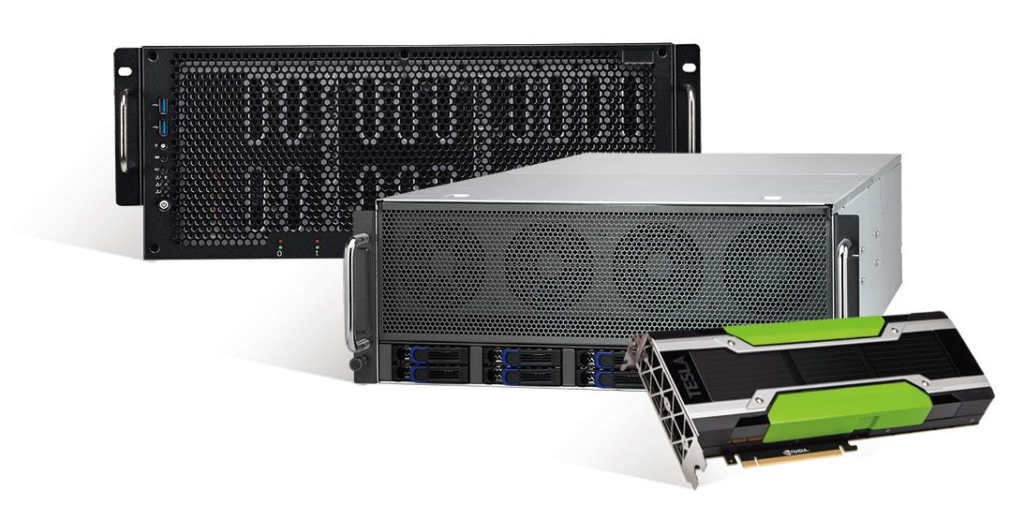
Modern computing has entered a phase where speed, parallel processing, and real-time data handling define success. From artificial intelligence and machine learning to advanced analytics and 3D rendering, traditional CPU-based systems are increasingly unable to meet performance demands on their own. This shift has led organizations across industries to adopt GPU optimized servers as a core part of their infrastructure strategy.
Unlike conventional servers that rely mainly on CPUs for processing, GPU optimized systems are designed to handle massive workloads simultaneously. This architectural advantage is reshaping how businesses process data, develop applications, and deliver digital services at scale.
The Shift Toward Parallel Computing
Traditional CPUs excel at handling sequential tasks, but modern workloads rarely follow a simple, linear pattern. Applications such as deep learning, video processing, scientific simulations, and real-time analytics require thousands of calculations to run at the same time.
GPUs are purpose-built for parallel processing. With hundreds or thousands of cores working simultaneously, they dramatically reduce processing time for complex workloads. This shift toward parallel computing enables organizations to complete tasks in hours instead of days, unlocking faster insights and accelerating innovation cycles.
As computing needs continue to evolve, parallelism is no longer optional. It has become foundational to staying competitive in data-driven environments.
Why GPUs Are Now Essential for Modern Workloads
The growth of AI, machine learning, and big data has changed the definition of performance. Training AI models, processing large datasets, or running advanced simulations requires far more computational power than traditional servers can provide efficiently.
GPU optimized servers are specifically designed to meet these demands. By offloading compute-intensive tasks from CPUs to GPUs, these systems improve efficiency while freeing CPU resources for other operations. This balance allows infrastructure to handle heavier workloads without sacrificing responsiveness or stability.
Industries such as healthcare, finance, manufacturing, and media increasingly rely on this capability to process data faster and make decisions in near real time.
Unlocking Speed Without Compromising Efficiency
Speed alone is not enough if it comes at the cost of excessive power consumption or infrastructure complexity. GPU optimized environments address this challenge by delivering higher performance per watt compared to CPU-only setups for suitable workloads.
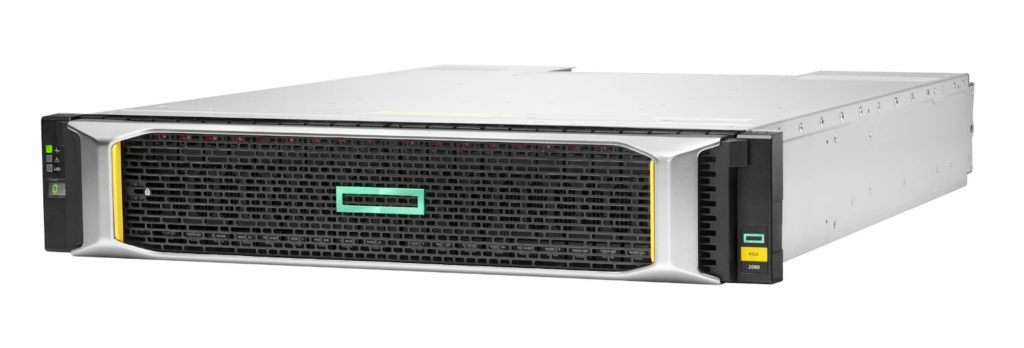
Instead of scaling out with more servers, organizations can scale up with fewer, more powerful GPU-enabled systems. This approach reduces rack space usage, simplifies management, and lowers long-term operational costs.
Adopting GPU Optimized Servers allows businesses to consolidate workloads while maintaining consistent performance, even during peak demand. This efficiency makes them an attractive option for enterprises seeking both performance and sustainability.
Transforming AI and Machine Learning Development
One of the most significant impacts of GPU optimized servers is seen in AI and machine learning workflows. Training complex models requires processing massive datasets through repeated calculations, a process GPUs handle exceptionally well.
What once took weeks on CPU-based systems can now be completed in days or even hours. Faster training cycles enable data scientists to experiment more, refine models quickly, and deploy solutions sooner.
This acceleration directly affects business outcomes. Faster model development leads to quicker product launches, improved customer experiences, and more accurate predictive insights.
Enhancing High-Performance Computing Applications
Beyond AI, GPU optimized servers are transforming high-performance computing (HPC). Scientific research, financial modeling, climate simulations, and engineering analysis all benefit from GPU acceleration.
These workloads involve complex mathematical operations that can be processed in parallel. GPUs significantly reduce computation time while maintaining precision and reliability. As a result, researchers and analysts can explore more scenarios, test more variables, and achieve deeper insights without increasing infrastructure complexity.
This capability is particularly valuable for organizations that depend on time-sensitive simulations or data-heavy research.
Supporting Modern Graphics and Media Processing
Media production and content delivery have also been reshaped by GPU technology. Rendering high-resolution video, processing visual effects, and supporting real-time streaming demand enormous graphical processing power.
GPU optimized servers enable faster rendering pipelines and smoother workflows for designers, editors, and content creators. They also support virtual desktop infrastructure (VDI) and cloud-based graphics workloads, allowing teams to collaborate remotely without performance loss.
As digital experiences become richer and more immersive, GPU-backed infrastructure plays a critical role in meeting quality and performance expectations.
Scalability That Aligns With Business Growth
Scalability is a major factor in infrastructure planning. GPU optimized servers provide flexible scaling options, allowing organizations to expand computing power as workloads grow.
Instead of redesigning infrastructure, businesses can add GPU capacity to existing environments or deploy additional GPU-enabled nodes. This modular scalability supports both short-term spikes and long-term growth without disrupting operations.
For organizations exploring expansion, evaluating available GPU Servers for sale helps identify solutions that align with current needs while leaving room for future demands.
Improving Resource Utilization and Infrastructure ROI
One common challenge in traditional data centers is underutilized resources. GPU optimized servers help address this by enabling higher workload density per system.
By running multiple GPU-accelerated applications on fewer servers, organizations maximize hardware utilization and improve return on investment. Licensing costs, power usage, and cooling expenses are also reduced when workloads are consolidated effectively.
This optimized resource usage makes GPU-enabled infrastructure a strategic investment rather than a niche solution.
Strengthening Competitive Advantage Through Performance
In competitive markets, speed often determines success. Faster analytics lead to quicker decisions, accelerated product development, and improved responsiveness to market changes.
GPU optimized servers give organizations the ability to process information at unprecedented speeds. This advantage translates into better customer insights, more efficient operations, and the ability to adopt emerging technologies ahead of competitors.
Rather than reacting to technological change, businesses using GPU acceleration are positioned to lead innovation within their industries.
Building the Foundation for Future Computing Needs
The demand for compute power shows no signs of slowing down. As AI models grow more complex and data volumes continue to expand, infrastructure must be ready to adapt.
GPU optimized servers provide a future-ready foundation capable of supporting evolving workloads. Their flexibility, performance, and scalability ensure that organizations can integrate new technologies without constant infrastructure overhauls.
Investing in GPU acceleration today prepares businesses for the next generation of computing challenges.
Moving Forward With Confidence in GPU Technology
GPU optimized servers are no longer reserved for specialized use cases. They have become a central component of modern computing strategies across industries.
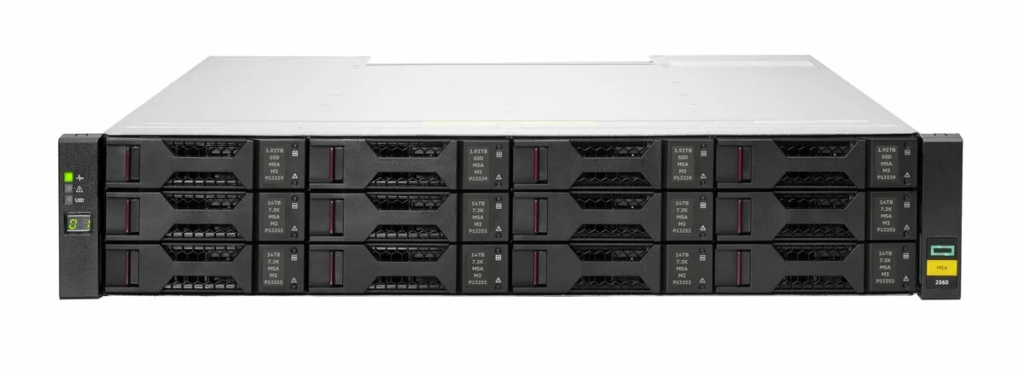
For organizations planning infrastructure upgrades or new deployments, working with experienced providers such as Cloud Ninjas can simplify decision-making. Access to expert guidance and reliable hardware options helps ensure that GPU investments deliver measurable performance and long-term value.
As computing demands continue to evolve, GPU optimized servers stand out as a powerful solution shaping the future of digital innovation.