
The Evolution of Patches in Modern Branding and Lifestyle Culture
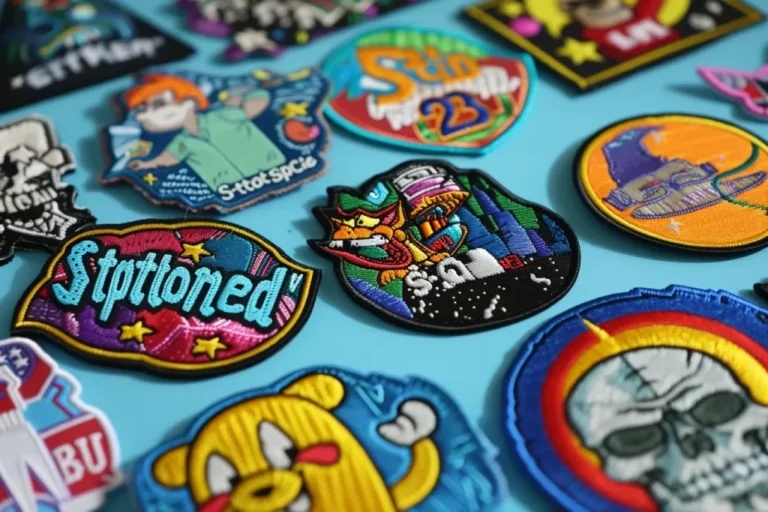
Patches have traveled a long way from their early days as simple fabric identifiers. Once used mainly for military units, schools, and work uniforms, patches have now become an essential part of branding, fashion, and self-expression. Today, they are no longer just labels—they are statements.
In a world where individuality matters more than ever, patches provide a creative way for people and businesses to communicate who they are. Whether it’s a bold emblem on a jacket, a logo on a backpack, or a badge on a uniform, patches help tell stories without saying a word.
Why Patches Still Matter in a Fast-Changing World
Despite rapid digital transformation, physical branding tools remain powerful. When people interact with something tangible, it leaves a deeper impression. Patches bring branding into the real world, making it wearable, visible, and personal.
They allow brands to go beyond screens and advertisements by becoming part of everyday life. A well-designed patch becomes something people proudly display, not just something they notice.
This emotional connection is what makes patches special. They are not just accessories—they represent identity, belonging, and values.
How Material Choice Shapes the Message
Not all patches are the same, and material selection plays a major role in how they are perceived. Some materials communicate boldness and durability, while others express elegance and craftsmanship.
Rubber-based patches are popular for their flexibility, strong color contrast, and weather resistance. They are ideal for active lifestyles, outdoor gear, uniforms, and tactical apparel. For brands that want a bold and modern presence, custom pvc patches provide a sleek, dimensional look that stands out.
On the other hand, leather patches offer a completely different emotional tone. They symbolize heritage, authenticity, and premium craftsmanship. Denim brands, luxury labels, and handmade product lines often rely on Custom leather patches to give their products a timeless and refined appeal.
Choosing the right material ensures that the patch aligns with the brand’s personality and purpose.
Patches as Tools of Identity
People use patches to express who they are. From hobbyists to professionals, everyone wants to be recognized for something meaningful. Patches allow this recognition to be visible.
Motorcycle clubs use them to represent brotherhood. Sports teams use them to showcase pride. Music lovers use them to show their fandom. Even travelers collect patches as souvenirs, turning their backpacks into visual diaries.
This emotional value transforms patches into keepsakes. They are not easily discarded because they hold memories, achievements, and meaning.
Branding That Moves With the Customer
One of the strongest advantages of patches is mobility. When a logo is printed on a billboard, it stays in one place. When it’s worn as a patch, it travels everywhere.
This kind of organic exposure is powerful. People notice patches naturally, without feeling like they’re being advertised to. This builds trust and curiosity rather than resistance.
Brands that use patches effectively create walking brand ambassadors. Every jacket, bag, or cap becomes a promotional platform—without looking like one.
The Role of Patches in Fashion Trends
Fashion has always been about self-expression, and patches fit perfectly into that philosophy. Designers use them to add personality, depth, and storytelling to garments.
Instead of redesigning an entire product, a simple patch placement can refresh the look. This makes patches a flexible design tool.
Consumers also love patches because they allow customization. People enjoy modifying their clothes, mixing styles, and creating something unique. Patches enable that creativity without permanent changes.
This adaptability is why patches continue to appear on runways, in streetwear collections, and in vintage revivals.
Functional Benefits Beyond Style
Patches aren’t just about looks—they’re practical. They reinforce weak fabric areas, cover imperfections, and extend the life of clothing. Many people use patches as a form of creative repair.
In professional environments, patches help with identification. Security teams, medical staff, and corporate workers rely on them for name tags, department labels, and role recognition.
They also make updating easier. Instead of replacing an entire uniform, only the patch needs to be changed.
Sustainability and Conscious Consumption
As people become more environmentally aware, patches offer a smart solution. They support repair culture rather than replacement culture.
A torn jacket doesn’t need to be thrown away. A patch can restore it while adding style. This reduces waste and promotes responsible consumption.
Brands can also rebrand or refresh collections using patches instead of producing entirely new products. This saves resources and lowers environmental impact.
How to Design a Patch That Truly Works
Designing a patch requires more than creativity—it needs purpose. A patch should communicate a message clearly and instantly.
Start by identifying the story you want to tell. Is it about strength, elegance, community, or innovation? The answer will guide the design direction.
Next, focus on simplicity. Overcrowded designs lose impact. Clear shapes, strong contrasts, and readable elements make a patch more memorable.
Finally, consider texture and depth. Raised elements, layered surfaces, and smooth finishes all affect how a patch feels—and that tactile experience matters.
Why Patches Are a Smart Business Investment
Patches offer long-term value. Unlike prints that fade or peel, high-quality patches remain visually strong for years.
They are also scalable. Once a design is finalized, it can be produced in large quantities without losing consistency.
This makes patches ideal for merchandise, giveaways, uniforms, and promotional campaigns.
Most importantly, they create emotional ownership. People don’t just wear patches—they collect them, trade them, and display them. That level of engagement is priceless for brand loyalty.
Looking Ahead: The Future of Patch Culture
As personalization becomes more important, patches will only grow in relevance. People want items that reflect who they are, not just what they buy.
New manufacturing techniques will allow for more detail, faster production, and better sustainability.
From fashion to corporate branding, patches will continue to evolve—not as a trend, but as a timeless medium of expression.