
Complete Guide to Buyer’s Stamp Duty (BSD) for Condos
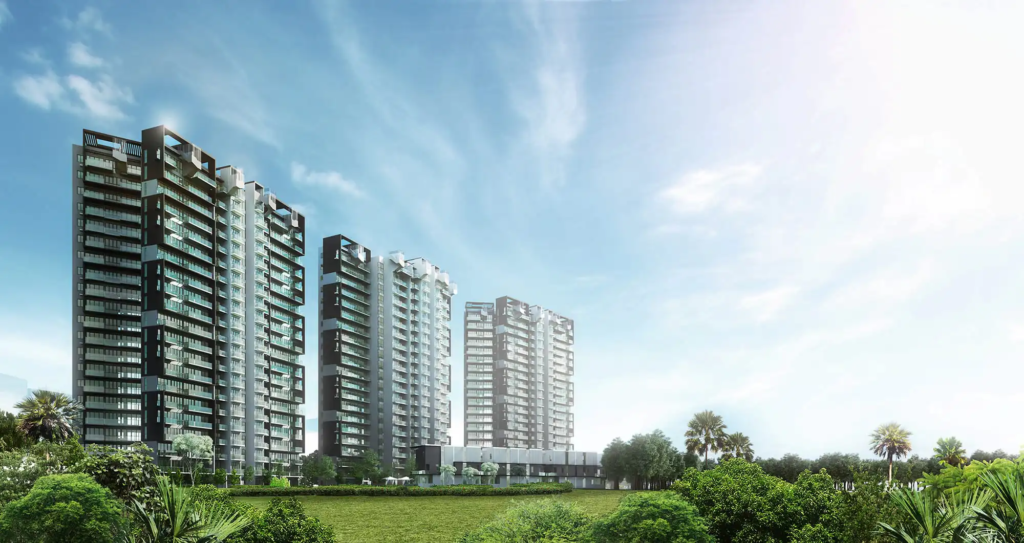
Purchasing a private property in Singapore requires a clear understanding of the transactional costs involved. Among these expenses, Buyer’s Stamp Duty (BSD) stands out as a high upfront cost that every buyer must calculate. Whether you are eyeing a boutique development like the Lucerne Grand or a larger suburban project, BSD applies to all property purchases. This tax is calculated based on the purchase price or the market value of the property, whichever is higher. Understanding how these tax brackets work helps you plan your finances effectively, ensuring you do not face unexpected cash flow issues during the transaction. Let us examine the mechanics of BSD to prepare you for your next property acquisition.
Understanding Buyer’s Stamp Duty Rates
Buyer’s Stamp Duty is a progressive tax levied on all property purchases in Singapore. The Inland Revenue Authority of Singapore (IRAS) calculates this tax using a tiered structure based on the property’s purchase price or market valuation. For residential properties, the rates start relatively low but scale up significantly for luxury homes and premium developments.
The Residential BSD Bracket
The current tax structure charges 1% on the first $180,000 of the property value, 2% on the next $180,000, and 3% on the next $640,000. For properties valued above $1 million, the next $500,000 incurs a 4% rate. Amounts between $1.5 million and $3 million are taxed at 5%, while any remaining value above $3 million attracts a top rate of 6%. This progressive system ensures that buyers of modest homes pay a lower percentage than those purchasing high-end luxury residences.
To illustrate, if you purchase a unit at Thomson Reserve for $2.5 million, your tax calculation spans multiple tiers. You will pay the maximum rate for each lower tier before hitting the 5% bracket for the final portion of the purchase price. Knowing these specific tiers prevents surprises when the law firm requests the stamp duty payment, which usually occurs within 14 days of signing the sale and purchase agreement.
Calculating BSD for Mid-Range and Luxury Condos
Calculating the exact tax amount requires a step-by-step breakdown of the purchase price. Because private apartments in Singapore often cost upwards of $1.5 million, most buyers find themselves paying rates in the higher tax brackets. Accurate calculation is essential because this tax must be paid in cash upfront before you can apply for reimbursement from your Central Provident Fund (CPF) Ordinary Account.
A Step-by-Step Calculation Example
Consider a buyer purchasing a unit at the Lucerne Grand for $3.2 million. The first $1.5 million of the purchase price incurs a cumulative tax of $44,600 based on the initial tiers. The next portion, from $1.5 million to $3 million, is taxed at 5%, adding another $75,000 to the bill. Finally, the remaining $200,000 above the $3 million threshold is taxed at the highest rate of 6%, adding $12,000. This brings the total Buyer’s Stamp Duty for this transaction to $131,600.
This substantial sum highlights the necessity of maintaining liquid funds. Buyers cannot simply bundle this tax into their home loan. Banks do not finance stamp duties, meaning you must secure these funds independently. Having a clear spreadsheet of these tiered calculations ensures that your home-buying journey remains smooth and stress-free from the initial offer to the final key handover.
The Difference Between BSD and Additional Buyer’s Stamp Duty
Many first-time buyers confuse Buyer’s Stamp Duty with Additional Buyer’s Stamp Duty (ABSD). While every property buyer must pay BSD regardless of their residency status or property portfolio, ABSD is a separate tax that targets specific buyer profiles. ABSD applies to Singapore citizens buying their second or subsequent residential properties, Permanent Residents, and foreign buyers.
How ABSD Multiplies Your Tax Liability
For instance, if a Singapore citizen decides to purchase a unit at Thomson Reserve as an investment property while retaining their current HDB flat, they must pay both BSD and ABSD. The ABSD rate for a second residential property for citizens stands at 20%. This means the buyer faces a massive financial commitment beyond the standard progressive BSD rates. For foreigners, the ABSD rate is even higher, reaching 60% of the purchase price.
Understanding this distinction is vital for accurate financial planning. While BSD is a standard transaction cost built into every property purchase, ABSD can be legally minimized or avoided through specific strategies, such as purchasing a property under a child’s name or utilizing decoupling strategies. However, BSD remains unavoidable, and buyers must prepare to pay this tax in full during the initial stages of the conveyancing process.
Payment Timelines and CPF Usage
Timing is everything when handling property taxes in Singapore. The Inland Revenue Authority of Singapore enforces strict deadlines for stamp duty payments. Buyers must pay the full BSD amount within 14 days of signing the Option to Purchase (OTP) or the Sale and Purchase Agreement if the document is signed in Singapore. If the agreement is executed overseas, the deadline extends to 30 days after the document arrives in Singapore.
Utilizing Your CPF Ordinary Account
Many buyers ask if they can use their Central Provident Fund (CPF) to settle this tax. The answer is yes, but with a major caveat regarding timing. Because the stamp duty must be paid within 14 days, buyers often have to pay the amount in cash first. Your lawyer will then apply for reimbursement from your CPF Ordinary Account. This means you must have the cash ready in your bank account, even if your CPF balance is more than sufficient to cover the cost.
For a premium purchase like a unit in the Thomson Reserve, failing to secure this temporary cash bridge can stall the transaction. Late payments attract heavy penalties from IRAS, ranging from $10 to double the unpaid duty amount, depending on the delay. Working closely with an experienced conveyancing lawyer ensures that your funds are mobilized quickly and all tax obligations are met well before the official deadlines.
Conclusion
Navigating the financial aspects of purchasing a private property in Singapore requires careful calculation and strict adherence to timelines. Buyer’s Stamp Duty is a mandatory progressive tax that significantly impacts your total acquisition cost. By understanding the tiered rates and preparing the necessary cash reserves ahead of time, you can secure your dream home without financial strain. Whether you choose a boutique residence or a larger development, factoring in these upfront costs early in your search ensures a seamless transaction. Always consult with a qualified financial advisor or a real estate professional to verify your tax liabilities and organize your funds before signing any binding agreements.