
The Science of Change: Overcoming Addiction
Behavior Health / Addiction is a topic that affects individuals, families, workplaces, and entire communities. In today’s world, more people are recognizing that addiction is not simply a matter of willpower—it is often connected to mental health, emotional struggles, trauma, stress, and environmental factors. Understanding this connection is essential for building effective treatment plans, supportive systems, and healthier lives. With the right guidance and professional care, recovery is possible, and long-term wellness can become a realistic goal.
What Does Behavior Health / Addiction Mean?
Behavioral health focuses on how emotions, habits, behaviors, and mental well-being influence a person’s overall health. Addiction refers to the inability to stop using substances or engaging in harmful behaviors despite negative consequences.
When these two areas overlap, it often means a person may be dealing with both emotional or mental health challenges and addictive patterns at the same time. This is commonly known as co-occurring conditions, where anxiety, depression, trauma, or stress may exist alongside substance abuse or behavioral dependency.
Why the Connection Matters
Many people facing addiction are also dealing with hidden emotional pain. Without treating the underlying behavioral health concerns, recovery can become much more difficult.
For example:
- Someone with anxiety may misuse alcohol to feel calm
- A person with depression may turn to substances for temporary escape
- Trauma survivors may develop harmful coping behaviors
- Chronic stress can increase the risk of dependency
This is why modern treatment approaches focus on the full person, not just the addiction itself.
Common Types of Addiction
Behavior Health / Addiction treatment may involve many different challenges, including:
Substance Addictions
- Alcohol dependency
- Prescription drug misuse
- Opioid addiction
- Cocaine or stimulant use
- Marijuana dependency
- Nicotine addiction
Behavioral Addictions
- Gambling addiction
- Gaming addiction
- Internet or social media overuse
- Shopping addiction
- Food-related compulsive behaviors
Even when no substance is involved, behavioral addictions can still damage relationships, finances, mental health, and daily functioning.
Signs Someone May Need Help
Recognizing early warning signs can make a major difference. Some common indicators include:
- Loss of control over substance use or behavior
- Increased secrecy or isolation
- Mood swings or emotional instability
- Neglecting responsibilities
- Relationship conflicts
- Financial problems
- Changes in sleep or appetite
- Using substances to cope with emotions
If these patterns continue, professional support should be considered as soon as possible.
Effective Treatment Approaches
Recovery is not one-size-fits-all. Successful programs often combine several strategies based on personal needs.
Therapy and Counseling
Licensed counselors help individuals understand triggers, trauma, habits, and emotional struggles. Cognitive Behavioral Therapy (CBT) is especially effective for addiction recovery.
Medical Support
Some people benefit from detox supervision, medication-assisted treatment, or psychiatric care for co-occurring disorders.
Group Support
Peer groups and recovery communities provide encouragement, accountability, and shared understanding.
Lifestyle Improvement
Exercise, nutrition, sleep routines, and stress management all play an important role in healing.
The Role of Family Support
Addiction impacts loved ones as well. Families often experience confusion, fear, frustration, and emotional exhaustion. Family therapy or support groups can help rebuild trust, improve communication, and create healthier boundaries.
Recovery becomes stronger when the support system learns how to encourage progress without enabling harmful behavior.
Breaking the Stigma
One of the biggest barriers to treatment is shame. Many people avoid seeking help because they fear judgment. But addiction is a health condition—not a personal failure.
Talking openly about Behavior Health / Addiction helps normalize treatment and encourages more people to seek support before problems worsen.
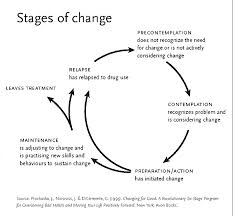
Long-Term Recovery and Relapse Prevention
Recovery is a journey, not a single event. Maintaining progress often requires:
- Ongoing therapy
- Healthy daily routines
- Trigger awareness
- Stress management tools
- Positive relationships
- Continued support groups
- Accountability systems
Relapse does not mean failure. It often signals that treatment needs adjustment and additional support.
Why Professional Care Matters
Trying to overcome addiction alone can be extremely difficult. Professional programs provide structure, clinical expertise, emotional support, and proven treatment methods that increase success rates.
Whether someone needs outpatient counseling, residential treatment, or dual-diagnosis support, getting the right help early can change the future dramatically.
Final Thoughts
Behavior Health / Addiction is a complex but treatable challenge that deserves compassion, understanding, and professional attention. By addressing both mental wellness and addictive behaviors together, individuals can build stronger recovery foundations and healthier lives.
With the right support system, proper treatment, and commitment to healing, lasting change is absolutely possible. Recovery is not just about stopping harmful behavior—it is about creating a better life moving forward.