
Power Sensor Calibration: Why Drift Happens So Frequently
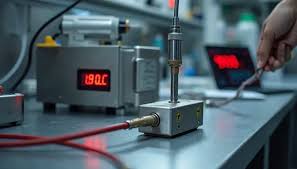
Power sensors are essential components in RF testing, telecommunications, radar systems, aerospace communications, and advanced research laboratories. They measure RF power accurately across wide frequency ranges, supporting system development and regulatory compliance. However, these sensors are known for frequent drift, making routine power sensor calibration a necessity in any precision RF environment.
Why Power Sensors Drift
Power sensor drift occurs due to several physical and electronic mechanisms. The most common contributors include:
1. Temperature Effects
RF power sensors, especially diode and thermocouple-based designs, experience temperature-dependent changes in sensitivity. Even slight variations in ambient temperature alter sensor output.
2. Component Aging
Detector diodes, thermistors, and thermocouples degrade over time. Exposure to high power levels accelerates these changes.
3. Mechanical Stress
Connectors loosen or degrade with repeated connection cycles, introducing impedance mismatches and measurement errors.
4. Frequency Response Variations
Wideband sensors rely on internal matching networks that shift over time, particularly in high-frequency applications.
5. Electronic Drift
Amplifiers, reference voltage sources, and internal compensation circuits shift gradually even without heavy use.
This inherent instability is why annual or semi-annual power sensor calibration is recommended for industries requiring high-confidence RF measurements.
SIMCO provides accredited RF and power sensor calibration using controlled setups, high-accuracy power meters, and traceable reference standards. Explore their RF capabilities through SIMCO RF calibration services.
How Power Sensor Calibration Is Performed
Calibration aligns the sensor’s reading with known reference power levels across its operating frequency range.
1. Visual Inspection and Connector Evaluation
Technicians examine the sensor for damage, contamination, or worn connectors. RF performance heavily depends on connector integrity.
2. Warm-Up and Stabilization
Sensors require a warm-up period to reach thermal equilibrium—a critical step for accurate power measurement.
3. Reference Power Application
A precision RF source generates known power levels at selected frequencies. The calibration provider evaluates:
● Linearity
● Frequency response
● Absolute power accuracy
● Sensor response repeatability
4. Adjustment and Compensation
Where applicable, internal calibration factors are rewritten to match the reference power measurements.
5. Documentation and Traceability
A complete calibration certificate includes frequency-dependent results, uncertainties, test conditions, and reference equipment details.
Why Frequent Calibration Protects RF Reliability
RF systems rely on accurate power measurement for compliance, efficiency, and performance optimization. Drifted sensors cause:
● Incorrect RF output levels
● Impaired communication range
● Suboptimal matching and efficiency
● Test repeatability failures
● Regulatory noncompliance
Routine power sensor calibration ensures traceable, repeatable measurements that maintain system integrity.
SIMCO’s accredited RF calibration supports organizations that depend on high-accuracy power verification across demanding frequency ranges. Learn more by reviewing SIMCO’s technical profile.
